LGBTQ+ Equality
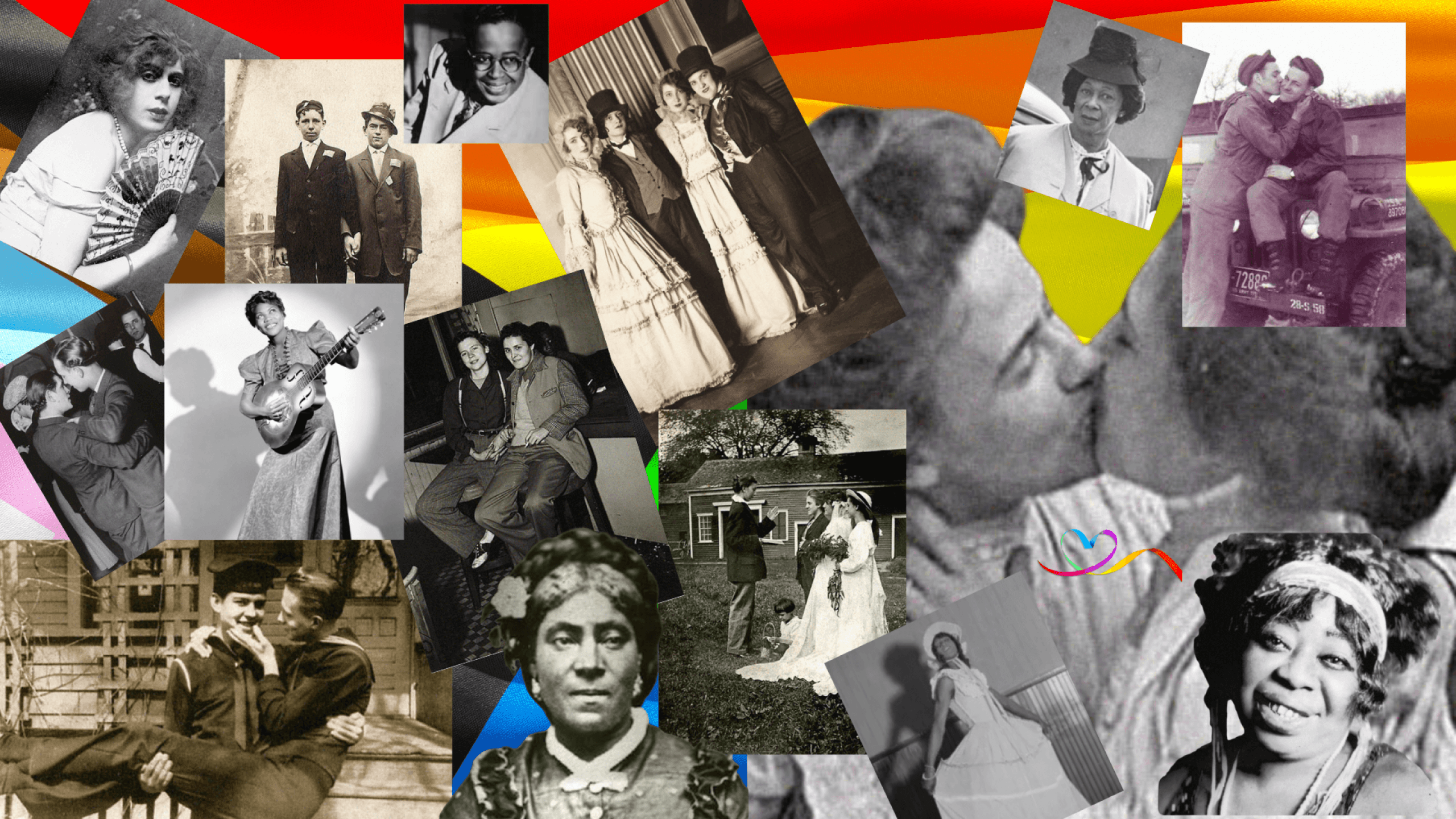
LGBTQ equality refers to advocacy work to secure fully equal civil and human rights for lesbian, gay, bisexual, transgender, and queer (LGBTQ) people.
- Unitarian Universalists have a long history of working for justice in our communities and in the world. Guided by our shared values, we affirm that love between consenting adults creates caring relationships and families and provides nurturing environments for couples and their children.
- Since 1970, when the UUA adopted a General Resolution opposing discrimination against homosexuals and bisexuals, we have supported the equal rights of all people, regardless of their sexual orientation and gender identity. The UUA was proud to be featured in a “friend of the court” brief submitted to the Supreme Court in the case of Obergefell v. Hodges, and celebrated the decision on June 26, 2015 that established federal recognition of same-sex marriage nationwide. UUs also celebrated this victory around the country with wedding ceremonies performed by UU clergy.
- Our principles and values unequivocally commit our faith to honor and celebrate the full spectrum of gender identity and expression. Being transgender or identifying with any gender other than the one assigned at birth, is a beautiful and divine manifestation of humanity; as is being intersex, or having sex characteristics that vary from what is considered typical.
As Unitarian Universalists, we affirm the inherent worthiness and dignity of each person as a core principle. The ability to live ever-more authentically as one’s true self is central to a lifelong journey towards spiritual fulfillment.
As a people who put love at the center of our faith, that love calls us to fully embrace equity for transgender, nonbinary, intersex, and gender diverse people in our congregations and the wider world. For generations, Unitarian Universalism has advocated for equity for lesbian, gay, bisexual, transgender, queer, and intersex (LGBTQI+) people, gender equity, and reproductive justice. As our scientific and sociological understandings of gender have evolved, our faith, too, has expanded our commitments to explicitly include the spectrum of gender expressions and identities as an integral aspect of our frameworks for freedom and flourishing.
The imperative to care for those most at risk, especially due to systems of injustice, is one of our defining religious commitments throughout our UU history. These systems imperil the basic human right to experience freedom from discrimination in all areas of life, including healthcare, education, housing, employment, free expression, and beyond. Denial of medical care and basic human rights causes profound damage and trauma, and is a violation of our core religious principles. Securing these rights for LGBTQI+ people and communities, whose rights are now at risk, is essential for their lifelong development and thriving.